Developing Automated Workflows for Content Approval and Revenue Collection in Sports Prediction Portals
Written by Devon Butler · Sep 17, 2026
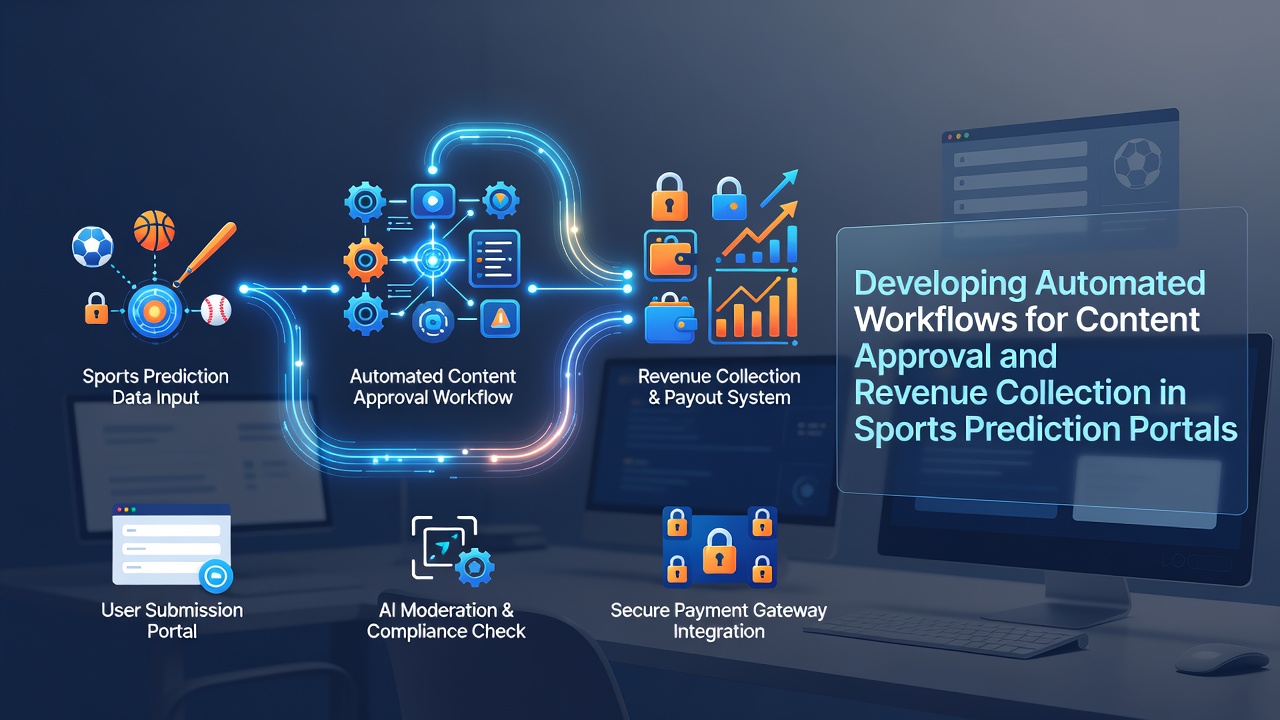
Developing Automated Workflows for Content Approval and Revenue Collection in Sports Prediction Portals
Automated workflows have become central to operations in sports prediction portals, where teams manage high volumes of forecasts alongside subscription-based revenue streams. Developers integrate approval processes with billing systems so that content moves from creation to publication only after verification, while payments process without manual intervention. Research from the University of Sydney indicates that such systems reduce processing times by up to 40 percent in digital media environments handling frequent updates.
Core Components of Content Approval Automation
Content approval begins with rule-based triggers that route submissions through predefined stages. A submission enters a queue where algorithms scan for compliance with accuracy standards before routing it to human reviewers when thresholds are met. Observers note that portals often link these steps to performance databases so that tipster records update automatically once approval clears. This setup allows administrators to focus on exceptions rather than routine checks, and data from the Australian Communications and Media Authority shows similar patterns in regulated online services where automation handles initial filtering.
Integration with external data feeds further streamlines the process because live sports statistics pull in real time to validate predictions before they reach the approval queue. When discrepancies appear, the system flags entries for additional review instead of blocking the entire batch. Teams working on these platforms report that combining natural language processing with structured data checks catches inconsistencies early, which keeps the pipeline moving during peak periods such as major tournaments.
Revenue Collection Through Integrated Billing Hooks
Revenue collection ties directly into the same workflow architecture because subscription status determines whether approved content becomes visible to users. Payment gateways connect via APIs so that successful renewals trigger immediate access updates while failed transactions pause delivery without staff involvement. In September 2026 several platforms expanded these connections to support region-specific processors, reflecting shifts in global payment regulations.
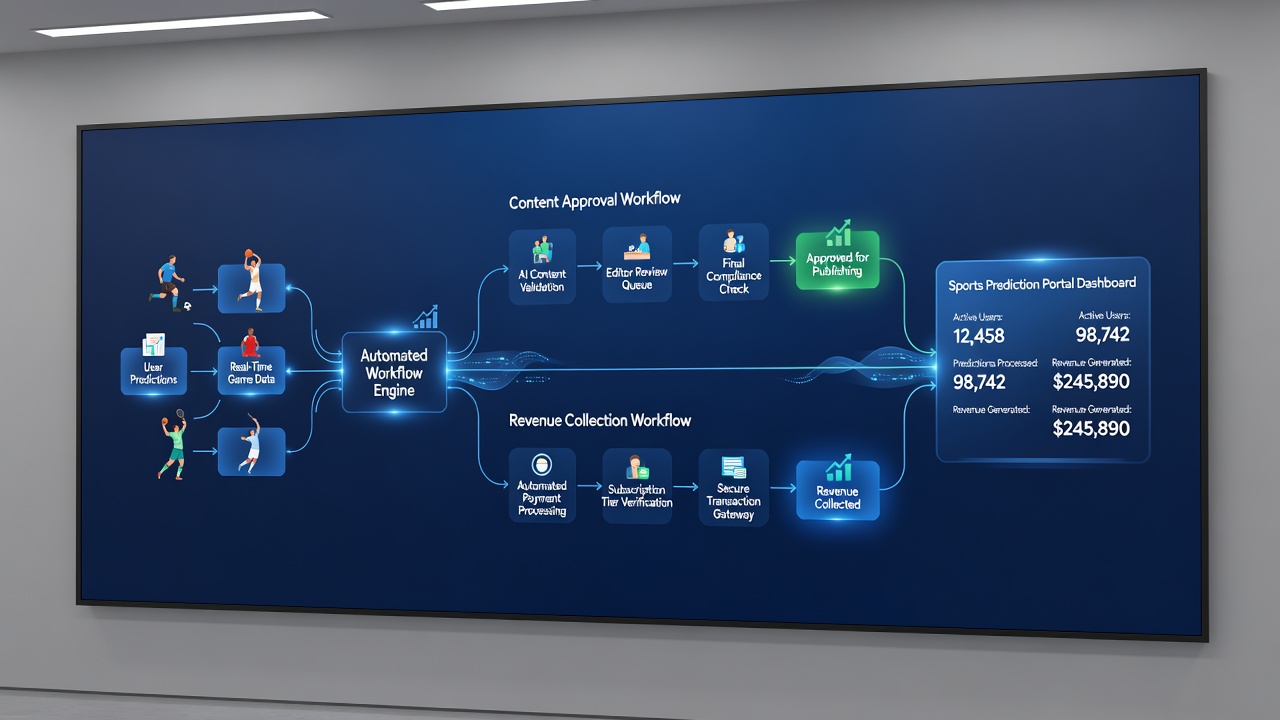
Those who maintain these systems emphasize the value of webhook configurations that sync approval outcomes with billing events. When content receives final sign-off, a corresponding record activates for paying subscribers, creating a seamless handoff. Industry reports from the European Gaming and Betting Association highlight that portals adopting such linked workflows experience fewer interruptions in recurring revenue compared with manual reconciliation methods.
Handling Edge Cases and Scaling Considerations
Edge cases arise when content requires urgent publication or when payment disputes occur mid-cycle. Automated systems address these through conditional branches that escalate issues to designated teams while logging all actions for later analysis. Researchers at the University of Toronto have documented how layered permissions prevent unauthorized overrides yet still allow rapid response during live events.
Scaling becomes manageable once the workflow engine supports parallel processing across multiple content categories. Portals handling thousands of predictions daily rely on queue management tools that distribute load evenly, and performance metrics update continuously so administrators can adjust thresholds without restarting services. This approach maintains consistency even as user bases grow across different time zones.
Security and Compliance in Automated Environments
Security protocols embed within each workflow stage because both content integrity and financial data require protection. Encryption applies during transfers between approval modules and billing systems, while audit trails record every transition. Regulatory frameworks in Canada and Australia encourage such logging practices so that portals can demonstrate adherence during reviews.
Access controls limit who can modify workflow rules, and role-based permissions ensure that only qualified personnel alter approval criteria or billing parameters. Data from the National Council on Problem Gambling indicates that transparent automation reduces the risk of human error in sensitive operations, which matters when portals manage both editorial standards and financial transactions simultaneously.
Conclusion
Developing these automated workflows requires careful mapping of approval sequences to revenue events so that each function reinforces the other. Portals that implement them gain operational efficiency while maintaining records that support ongoing compliance. As platforms continue to evolve, the connection between content validation and payment processing remains a key area where technical choices directly influence daily performance and long-term sustainability.