Data Flow Architectures: Merging Editorial Metrics with Recurring Payment Mechanisms in Predictive Platforms
Written by Hugo Schmitz · Nov 12, 2026
Data Flow Architectures: Merging Editorial Metrics with Recurring Payment Mechanisms in Predictive Platforms
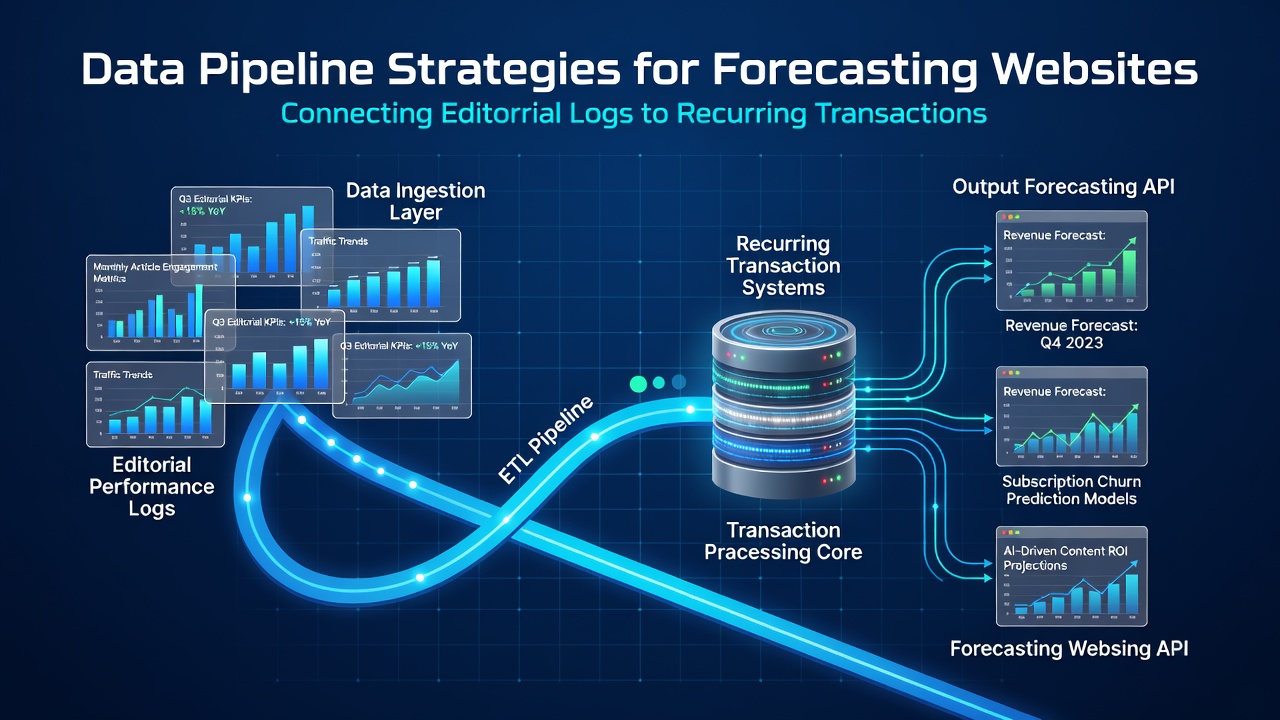
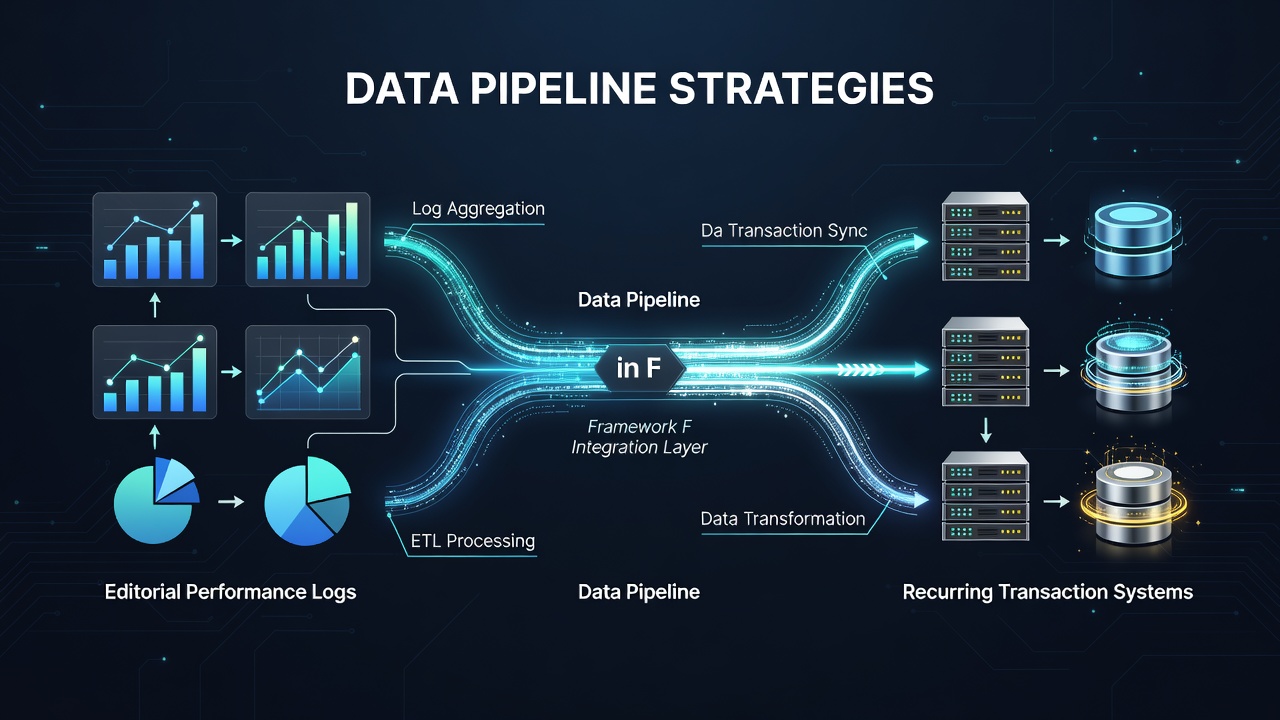
Forecasting websites rely on structured data flows that link editorial performance records directly to recurring transaction engines, and these connections support accurate revenue forecasting while maintaining subscriber access controls. Developers build pipelines that extract metrics such as content engagement rates, prediction accuracy scores, and user interaction timestamps from editorial databases, then route that information into billing platforms that manage subscription renewals and payment authorizations. The process begins with log aggregation tools that collect raw data from content management systems, after which transformation layers standardize formats before transmission to transaction processors.
Core Components of Editorial Performance Logging
Editorial teams generate detailed logs that capture strike rates, user retention per article, and time-based performance indicators, and these records feed into centralized repositories where analysts apply filtering rules to isolate relevant events. Data engineers configure extract-transform-load routines that pull information from sources including content delivery networks and analytics dashboards, then apply validation checks to remove duplicates or incomplete entries. As of November 2026, many platforms have integrated real-time streaming protocols that reduce latency between log creation and downstream processing, which allows transaction systems to adjust billing cycles based on the latest performance signals.
Linking Logs to Transaction Systems
Once cleaned and enriched, performance data travels through secure API endpoints into recurring transaction modules that handle subscription status updates and invoice generation. Transaction systems query these pipelines for indicators such as average user lifetime value derived from editorial output, then trigger automated actions including prorated charges or access tier adjustments. Observers note that synchronization occurs at scheduled intervals or through event-driven triggers, ensuring that high-performing content segments correlate with corresponding revenue entries without manual intervention.
Security and Compliance Considerations
Encryption protocols protect data in transit between editorial logs and billing engines, while role-based access controls limit which staff members can view combined datasets. Regulatory frameworks from bodies such as the Australian Competition and Consumer Commission require transparent handling of subscriber information, and platforms incorporate audit trails that record every data exchange for compliance verification. Researchers at institutions including the University of Toronto have documented best practices for maintaining data integrity across these hybrid environments, emphasizing checksum validation and anomaly detection routines that flag irregular patterns before they affect billing accuracy.
Scalability Techniques in High-Volume Environments
High-traffic forecasting sites process thousands of log entries daily, which necessitates distributed processing frameworks that partition workloads across multiple nodes. Engineers deploy message queues to buffer incoming performance data during peak periods, then route batches to transaction processors that update recurring payment schedules in parallel. This approach prevents bottlenecks when subscriber volumes spike following major forecast releases, and load-balancing algorithms distribute queries evenly to maintain consistent response times. Case studies from similar platforms reveal that modular pipeline designs allow individual components to scale independently, reducing the risk of system-wide disruptions during maintenance windows.
Monitoring and Optimization Practices
Teams implement dashboards that track pipeline throughput, error rates, and synchronization delays between editorial sources and transaction endpoints. Automated alerts notify administrators when latency exceeds predefined thresholds or when data mismatches appear between logged performance figures and billed amounts. Optimization routines periodically review historical exchange patterns to refine mapping rules, ensuring that evolving content strategies continue to align with revenue models without requiring full system overhauls. Those who maintain these systems often discover that incremental adjustments to transformation logic yield measurable improvements in billing precision and subscriber satisfaction metrics.
Conclusion
Effective data pipeline strategies create reliable bridges between editorial performance logs and recurring transaction systems, supporting the operational needs of forecasting websites through standardized extraction, secure transmission, and synchronized updates. Platforms that adopt these architectures gain the ability to correlate content success with financial outcomes while meeting regulatory standards across multiple jurisdictions. Continued refinement of these connections remains essential as data volumes grow and subscriber expectations for seamless access evolve.